
A sewage backup is stressful enough without a confused first hour. The crew is on the way, the affected room smells, and nobody is quite sure what to do next. A little preparation in that window makes the whole visit smoother, safer, and faster. This guide walks through what to do before the crew arrives, what to leave alone, and what to have ready at the door.
Why Preparation Matters More Than Speed Alone in Arvada, Colorado
Speed matters, but a rushed home can slow a crew down. Boxes block the hallway, the driveway is full, and nobody remembers which drain backed up first. The crew then spends the first part of the visit clearing space and asking questions instead of starting the real work.
Preparation is not about doing the cleanup yourself. It is about making the home ready so the professionals can work safely and without delay. A clear path, a short list of facts, and a calm household all help.
More than 500,000 sewer backups occur each year in the United States, according to the Water Environment Federation.
That number is a useful reminder. Backups are common, crews see them every week, and a prepared home is nothing unusual to them. You do not need to be embarrassed about the mess. You only need to be ready.
The First Call Sets the Tone for the Whole Visit
When you call, say what happened in plain words. Which fixtures backed up first, whether the problem is getting worse, and whether anyone in the home is ill or has a weakened immune system. That information helps the dispatcher send the right help and the right equipment.
Write down the time of the call and the name of the person you spoke with. It sounds small, but it saves confusion later, especially if more than one household member is making calls.
Step 1: Stop Using Water and Drains Right Away
The single most useful thing you can do is stop adding water to the system. Every flush, shower, load of laundry, and dishwasher cycle can push more wastewater into a blocked line. If the line is blocked, that water has nowhere good to go.
Tell everyone in the home, out loud, that water use is paused. Children and guests may not know there is a problem. A quick announcement prevents an accidental flush that makes the backup worse.
What Counts as Using Water
Toilets, showers, baths, sinks, washing machines, and dishwashers all count. Even a small amount adds up when a line is already full. If your home has a basement bathroom, that fixture deserves extra attention, since backups often show up at the lowest point first.
Step 2: Keep Children, Pets, and Vulnerable People Away
Sewage is a health hazard, and it should be treated that way from the first minute. Children, pets, older adults, and anyone who is ill or has a weakened immune system should stay out of the affected area completely.
Move pets to a closed room or take them outside, away from the affected area. Keep their bowls, beds, and toys out of any room that has been touched by sewage water. If a pet has already walked through the area, keep the pet away from other rooms and mention it to the crew.
A Closed Door Is Not Enough on Its Own
A closed door helps, but curious children and pets find ways through. If you can, block the hallway with furniture from a dry room, or keep the affected floor supervised until the crew arrives. Make it clear to everyone that the room is off limits, not just messy.
If anyone has touched sewage water, they should wash up and change out of the affected clothing. If they feel unwell after contact, they should see a doctor and say what they were exposed to.
Step 3: Clear a Safe Path to the Affected Area
Crews bring pumps, hoses, containment sheeting, and drying equipment. All of it needs a clear route from the door to the affected room. Walk that route yourself, from the outside, and move anything that would slow them down.
Clear the driveway and the front walk if you can. Move cars that block access, and unlock the gate or side door the crew is likely to use. Inside, move shoes, bags, boxes, and loose rugs out of the hallway leading to the affected room.
What to Clear and What to Leave in Place
Clear the path, but do not clear the affected room itself. Items that have touched sewage water should stay where they are until the crew can judge what can be saved and what must be removed. Moving contaminated items through clean rooms can spread the problem.
Dry items in the hallway and in rooms next to the affected area can be moved to a dry room. That protects them and opens up working space at the same time. Just keep the two groups separate in your mind: dry items move, wet and contaminated items stay.
Step 4: Protect the Dry Parts of Your Home
Sewage water travels, and so do wet shoes. Lay old towels or plastic sheeting on the floor along the path the crew will use, if you have them handy and can do it without entering the affected area. This is about protecting clean floors, not about cleaning the backup.
Close doors between the affected area and the rest of the home where possible. If the heating or cooling system serves the affected area, mention it to the crew when they arrive. Air movement can carry odors and airborne particles into clean rooms.
Step 5: Gather Photos and Notes From a Safe, Dry Spot
Photos and notes help the crew and help any later claim. Take them from a safe, dry location, never by standing in sewage water. Use your phone, and do not enter the affected area to get a better angle.
Note the time the backup was first noticed, which fixtures were affected first, and whether the problem is getting worse, staying the same, or slowing down. Note any recent work on the drains, any earlier backups, and anything unusual, like heavy rain or work on the street outside.
What to Photograph
Photograph the water level, the affected fixtures, and the rooms next to the affected area. Photograph the outside of the home too, especially if water is pooling near the foundation or the street looks affected. Keep the photos in one album so you can show them quickly.
Step 6: Make a Short List of What the Crew Should Know
A short written list beats a long spoken explanation at a stressful door. Write down the facts on paper or on your phone before the crew arrives, and hand it over or read it out.
Include when the backup started, which fixtures are affected, whether the problem is spreading, and whether anyone has already tried anything. Include the location of the main water shutoff and the electrical panel, if you know them. Include any pets in the home and where they are now.
Questions Worth Writing Down
Write down your own questions too. Ask what will happen first, how long the drying stage usually takes, and what you should not do while the equipment is running. Ask what happens to belongings that cannot be saved, and who decides that.
Step 7: Plan for Power, Water, and Access
Think about power and water before the crew asks. If water has reached outlets, cords, appliances, or the electrical panel, stay out of that area and call an electrician or your utility. Do not enter standing water to reach a switch or a panel.
If you can safely reach the breaker panel from a dry location, note which breaker serves the affected area, but do not switch anything you are unsure about. Tell the crew what you know, and let them decide what is safe.
Plan for access as well. If the crew will need to return over several days for drying checks, say which hours work for your household. If someone must always be home, arrange that now rather than in the middle of the job.

What Not to Touch While You Prepare
Preparation has a clear boundary. You are getting the home ready, not cleaning the sewage. Do not try to pump, mop, or vacuum sewage water yourself. Household vacuums and mops are not made for contaminated water, and they can spread it further.
Do not use fans to dry the affected area before the crew arrives. Air movement over contaminated water can push moisture and particles into walls, floors, and clean rooms. Leave drying decisions to the crew and their moisture checks.
Do not mix cleaning chemicals, and do not reach for bleach. Bleach does not make a sewage backup safe on its own, and mixing chemicals can create dangerous fumes. If a surface outside the affected area needs wiping, use plain soap and water, and keep it separate from the cleanup itself.
How to Prepare When the Backup Is in a Basement
Basements deserve special attention, because they are where most backups show up first. If the backup is in the basement, keep everyone off the stairs and out of the basement entirely. Do not go down to rescue belongings, and do not go down to check the water level up close.
According to the Insurance Institute for Business and Home Safety, 68 percent of all drain system sewer backup claims started in the basement.
That figure explains why basement preparation matters so much. Clear the top of the stairs, clear the path from the front door to the stairs, and make sure the crew can get equipment down safely. Move dry items away from the top of the stairs so nothing falls or gets in the way.
If the basement is finished, note which rooms are finished and which are not. Finished rooms often hide moisture behind walls and under floors, and the crew will want to know where to check first.
How to Prepare in a Rental, Condo, or HOA Property
Renters, condo owners, and HOA residents have one extra step: tell the right people early. If you rent, call your landlord or property manager as soon as you call for cleanup help. If you live in a condo or an HOA property, tell the building manager or the HOA contact, since a backup can affect shared lines and neighboring units.
Do not wait for permission to protect people. Stopping water use and keeping people away are safety steps, not repairs, and they should happen right away. Repairs and cost questions can follow once the home is safe.
Write down who you called and when, just as you did for the cleanup call. If the building has a shared water shutoff or a shared drain system, tell the crew where it is and who controls it.
How to Prepare a Business Before the Crew Arrives
Businesses follow the same preparation, with a few additions. Move customers and staff away from the affected area, and close off that part of the premises. If the affected area includes a restroom, kitchen, or food preparation area, close it until the crew says otherwise.
Tell staff, briefly and clearly, that water use in the affected area is paused and that the area is off limits. Assign one person to meet the crew, show them the access route, and answer questions. That avoids five different explanations at the door.
If the business must stay open, plan which entrance and which rooms the crew will use, and keep customers out of that route. A clear route through a business is just as important as a clear hallway at home.
What the Crew Will Do When They Arrive
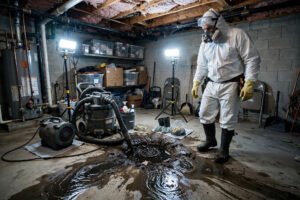
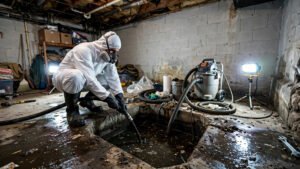
Knowing the shape of the visit removes some of the worry. The crew will usually start by assessing the affected area and setting up containment, so the problem does not spread into clean rooms. Then comes removal of the contaminated water and of materials that cannot be saved.
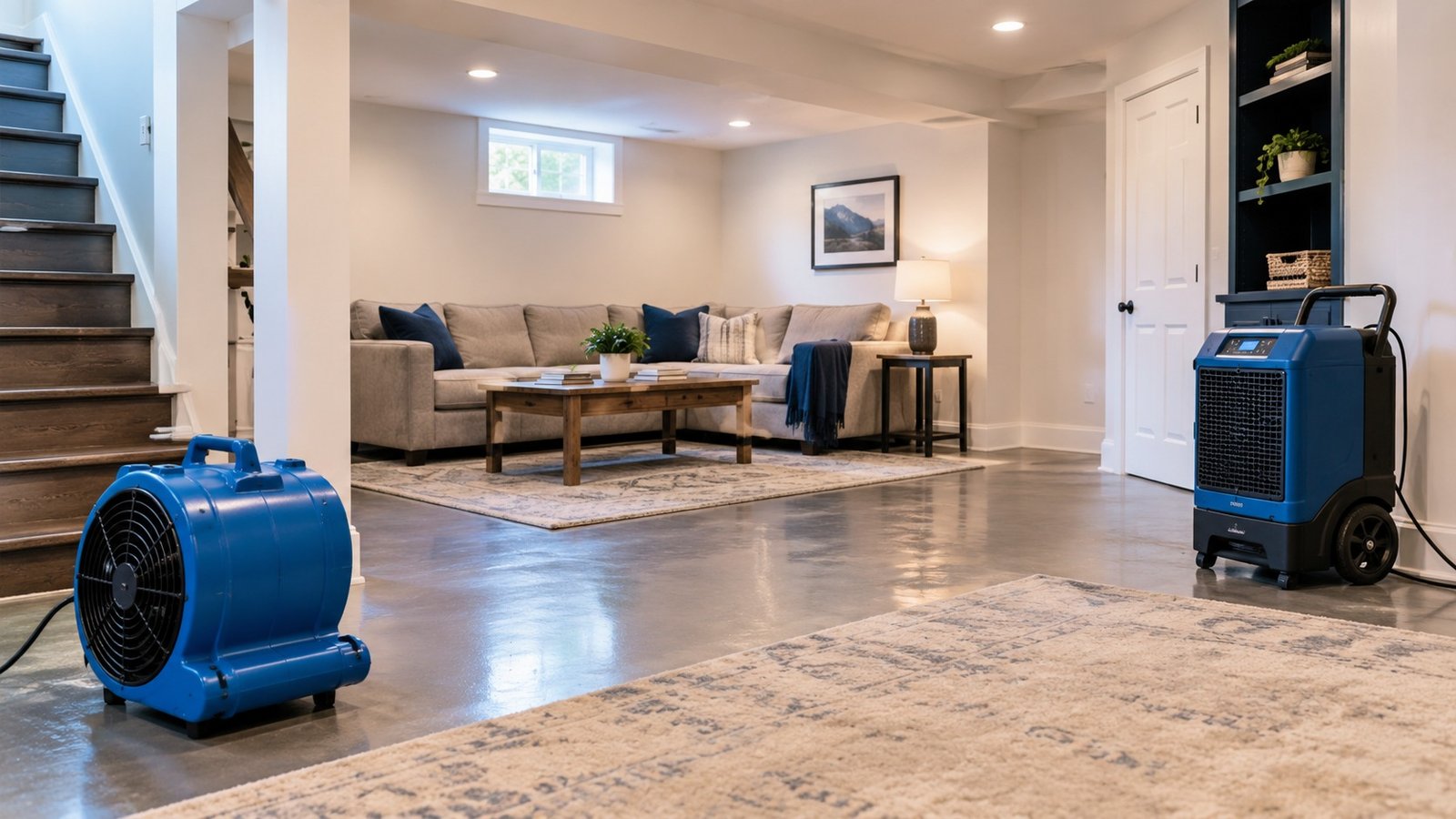
After that comes sanitization of the surfaces that remain, then odor removal, then structural drying with air movers and dehumidifiers. Moisture checks follow, because a surface can look dry while the structure behind it is still wet. Each stage has a purpose, and skipping one creates trouble later.
After the Crew Leaves: What to Expect Next
Drying equipment often stays running after the first visit. Do not switch it off, move it, or open windows around it unless the crew tells you to. The equipment is placed for a reason, and moving it can slow drying or push moisture into the wrong places.
The U.S. Environmental Protection Agency says water damaged areas and items should be dried within 24 to 48 hours to prevent mold growth.
That window is why preparation matters. A home that was ready on day one gives the crew a head start on drying.
Who This Matters For in Arvada, Colorado
Homeowners face this most often, since they own both the home and the decisions about it. A prepared homeowner can shorten the visit, protect the dry rooms, and keep good records for whatever comes next.
Rentals, condos, and HOA properties come next, because a backup in one unit can affect neighbors and shared systems. Early notice to the landlord, manager, or HOA contact protects everyone in the building, not just one household.
Commercial properties matter too. A restaurant, shop, or office that prepares well can reopen its unaffected areas sooner and keep staff and customers safe in the meantime. The same preparation steps apply, at a larger scale.
Sewage Cleanup Arvada Serving the Candelas Community and Beyond in Arvada, Colorado
Sewage Cleanup Arvada serves homeowners, rentals, condos, HOA properties, and commercial properties across Arvada, Colorado, including the Candelas community. The service connects people with independent local technicians for sewage cleanup around the clock, so help can be arranged whenever a backup happens.
Homes in Candelas sit near Sarah George Park, and many are reached from Indiana St. That local detail matters when a crew is finding the home, and it matters when a homeowner is describing where the problem is. The coordinates for this area are 39.86798288801881, -105.17442038128549.
Get Sewage Cleanup Candelas Service Now
If you notice the warning signs you should not ignore, do not wait for the next backup to confirm the pattern. Stop using water, keep people and pets away, clear a path, and have your short list ready. A prepared home is the fastest way to help the crew help you.
Navigate from Candelas to Sewage Cleanup Arvada Now
Frequently Asked Questions About Sewage Cleanup in Arvada, Colorado
What should I do first while waiting for the sewage cleanup crew?
Stop using water and drains, keep children and pets away from the affected area, and clear a safe path from the door to the affected room. Take photos and notes from a dry spot, and have a short list ready of what happened and when.
Can I move my belongings out of the affected room before the crew arrives?
Leave items that have touched sewage water where they are, so the crew can judge what can be saved and what must be removed. Move dry items from hallways and rooms next to the affected area to a dry room, so the path stays clear and clean rooms stay protected.
Should I turn off the power if sewage water is near an outlet?
Stay out of the area if water has reached outlets, cords, appliances, or the electrical panel, and call an electrician or your utility. Do not enter standing water to reach a switch or a panel.
How long does sewage cleanup drying usually take?
Drying time depends on how much water spread, what materials were affected, and how quickly the crew could start. The crew checks moisture levels as they go, and equipment often stays running after the first visit until the structure reaches a dry standard.
What is the difference between sewage cleanup and water damage restoration?
Sewage cleanup deals with Category 3 black water, which carries bacteria, viruses, and other contaminants, so it needs containment, sanitization, and removal of materials that cannot be saved. Water damage restoration from a clean source focuses mainly on extraction and drying, without the same level of disinfection.