Local Arvada teamServing neighborhoods across Arvada
Sewage backup cleanup in Arvada, Colorado
Serving Arvada

Water damage restoration in Arvada, CO
A burst pipe, a sewer line backup or a failed sump pump can soak flooring, walls and belongings in minutes — and in Arvada, that water is often contaminated with sewage. We extract standing water, dry the structure and sanitize every affected surface, so your home is clean, dry and safe to live in again.


Water damage restoration in Arvada, CO
Water inside a home never stays a small problem for long. A burst pipe, a sewer line backup, a failed sump pump or storm water pushing through a floor drain can soak flooring, walls and belongings in minutes — and in Arvada, where many homes were built decades ago with clay or cast-iron drain lines, the water that comes in is often contaminated with sewage. That changes everything about how the cleanup has to be handled.
Sewage Cleanup Arvada is a water damage restoration company built around exactly that problem. Our work starts where the water stops: we extract standing water, remove materials that cannot be made safe again, dry the structure with commercial dehumidification, and sanitize every affected surface so the home is clean, dry and safe to live in again. Because our specialty is sewage-contaminated water damage, every job is handled as a health cleanup first and a drying job second — the order matters.
Water damage restoration is the full process of returning a water-damaged home to its pre-loss condition: stopping the source, extracting the water, drying the structure, cleaning and sanitizing what the water touched, and confirming with moisture readings that nothing wet is left hidden inside walls or under floors. Done properly, it prevents the two problems homeowners fear most after a flood — mold growth and structural rot — and it gives you the documentation your insurance company asks for when a claim is filed.
If you are standing in water right now, the most important steps are simple: stop using water in the home if sewage is involved, keep children and pets away from the affected area, and do not try to vacuum sewage water with a household vacuum. Then call us at (720) 764-0457.
Water damage restoration services
Water damage restoration is the hub of everything we do. Each service below deals with one kind of water problem; all of them follow the same careful process of extraction, removal, drying and sanitization.
Our core service: cleanup and sanitization after a sewer or drain backup anywhere in the home.
Explore Sewage Backup Cleanup
Sewage cleanup for homes on septic systems when the tank or line backs up into the house.
Explore Septic Backup Cleanup
Extraction, cleaning and drying for basements flooded by drain and sewer backups.
Explore Basement Sewage Cleanup
Removal of sewage and contaminated material from under the home, with sanitization and drying.
Explore Crawl Space Sewage Cleanup
Antimicrobial treatment and odor removal after sewage exposure.
Explore Sewage Sanitization & Odor Removal
Urgent extraction and cleanup when sewage is standing in the home.
Explore Emergency Sewage Removal
Sewage and water damage cleanup for businesses and commercial properties.
Explore Commercial Sewage Cleanup
Cleanup for overflows, including contaminated water from a sewer-connected toilet.

Cleanup after a main sewer line backup, the cause behind most multi-drain backups.

Cleanup for basement and laundry floor drains that surcharge during backups and storms.
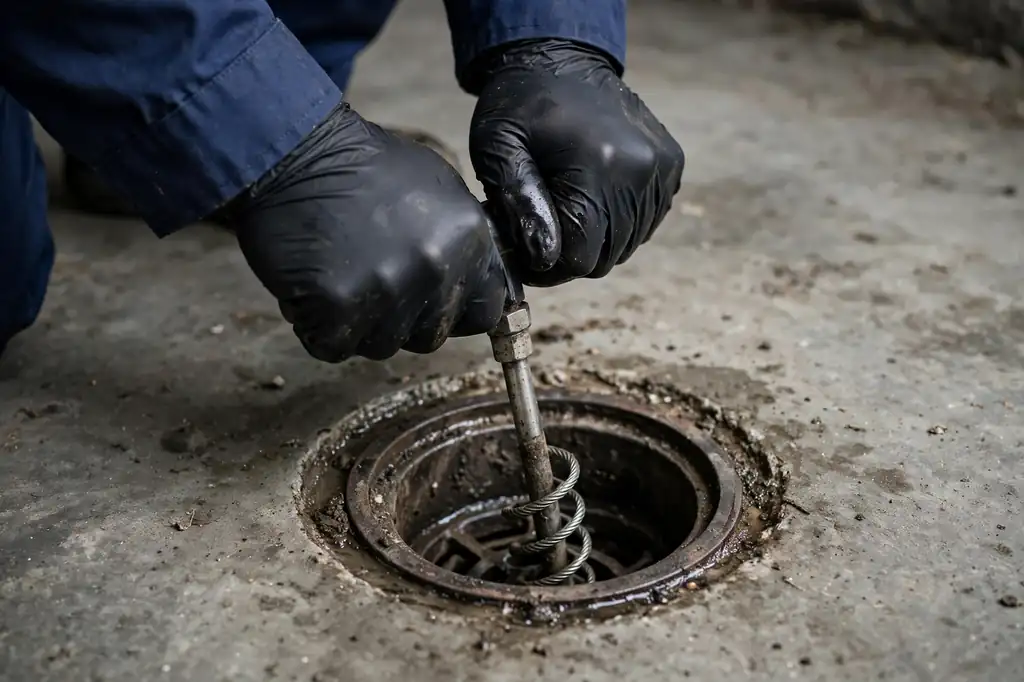
Pump-out and extraction of standing raw sewage, followed by cleaning and sanitization.
Explore Raw Sewage Removal
Basements flooded with water mixed with sewage after storms or drain overload.

Careful cleanup and disinfection of sewage and other biohazard-contaminated areas.

Extraction, salvage decisions and drying for water-damaged carpet and flooring.

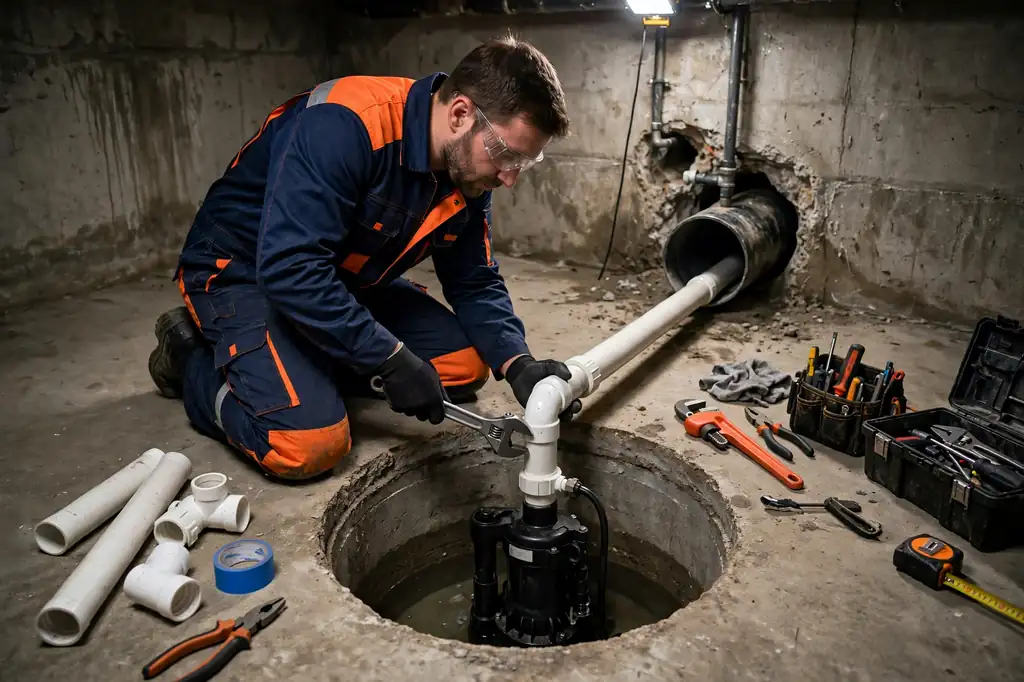
Cleanup after a sump pump failure floods a basement.
Not sure which category fits? Tell us what you see, hear, or smell and we'll route the right technician.
Describe the problemCommon causes of water damage
Every Arvada neighborhood has its own pattern of water damage, shaped by the age of its homes, its plumbing materials and its terrain. These are the causes we see most often:

Questions before we arrive

Still unsure? A dispatcher can help identify the safest immediate step and the right appointment type.
Ask dispatch nowMitigation is the first phase — stopping the source, extracting water and drying the structure to prevent further damage. Restoration is the full process of cleaning, sanitizing and returning the space to its pre-loss condition. Our service covers both, end to end.
If water has soaked into flooring, walls or anything porous — or if the water came from a drain, toilet or sewer line — it is serious. Hidden moisture inside a wall cavity can grow mold within days, and sewage contamination is a health risk even after surfaces look dry. When in doubt, have it assessed.
Clean water that is dried quickly is low risk. Grey and black water are different: sewage carries bacteria, viruses and parasites that can cause gastrointestinal illness and infections, and damp materials that stay wet grow mold, which aggravates allergies and asthma. This is why contaminated water is cleaned and sanitized, not just dried.
Often, yes — if the affected area can be closed off and the water was not heavily contaminated. When sewage has spread through living areas, or when drying equipment must run in the rooms you use most, a short stay elsewhere may be more practical. We will tell you honestly what the job involves so you can decide.
It depends on the source of the water and your policy. Sudden pipe and appliance failures are commonly covered; sewer backups usually require the Water Backup and Sump Overflow endorsement. We document everything thoroughly for your claim, but coverage decisions rest with your carrier.
Basements take the worst of it, because water and sewage both enter at the lowest point. After that: bathrooms (toilet and tub failures), laundry rooms (washer hoses and floor drains), kitchens (dishwasher and refrigerator lines) and crawl spaces, where leaks can go unnoticed the longest.
If it is safe to do so, stop the source — shut off the water supply for a pipe leak, and stop using all water in the home if sewage is backing up. Keep people and pets out of the affected area, do not run a household vacuum on sewage water, and take photos for your records. Then call us at (720) 764-0457.
Call for water damage restoration in Arvada
Water damage gets more expensive and more dangerous with every day it sits. If your home has standing water, a sewage backup, or the smell and stains of a leak that has been hiding, call Sewage Cleanup Arvada at (720) 764-0457. We will assess the damage, explain exactly what needs to happen in plain language, and restore your home clean and dry.
Sewage Cleanup Arvada · 5292 Ward Rd #2, Arvada, CO 80002 · (720) 764-0457
